/

The Science of Hypnotherapy: How Subconscious Reprogramming Actually Works
Category: Hypnotherapy • By InnerWorkz
Pop culture has done a massive disservice to one of the most powerful clinical tools available for human transformation. When most people hear the word “hypnosis,” they picture a theatrical performer swinging a pocket watch, commanding a volunteer on stage to cluck like a chicken or fall asleep on command.
This is stage hypnosis—an entertainment medium designed for spectacle. In reality, clinical hypnotherapy is a scientifically validated therapeutic process used by medical professionals, therapists, and breakthrough coaches worldwide to facilitate deep neural remodeling. In this article, we will unpack the neuroscience behind the state of trance, how subconscious reprogramming works, and why it is one of the most direct paths to emotional healing and personal breakthrough.
1. What is the Subconscious Mind?
To understand the science of hypnotherapy, we must first understand the structure of human consciousness. The mind can be broadly divided into two operating systems:
- The Conscious Mind (approx. 5% of daily activity): This is the logical, analytical, and critical part of your mind. It manages willpower, logical reasoning, and short-term memory. It is the part of you reading and analyzing this sentence right now.
- The Subconscious Mind (approx. 95% of daily activity): This is the massive database running beneath the surface. It controls involuntary bodily functions (heartbeat, breathing), long-term memories, deep emotional responses, core beliefs, habits, and automatic behaviors.
When you try to break a habit—such as stress-eating, smoking, or chronic procrastination—using willpower alone, you are pitting the 5% conscious mind against the 95% subconscious mind. This is why willpower so often fails. True, lasting change requires alignment, which means you must access and reprogram the subconscious database directly.
2. The Neurobiology of Trance: What Happens in the Brain?
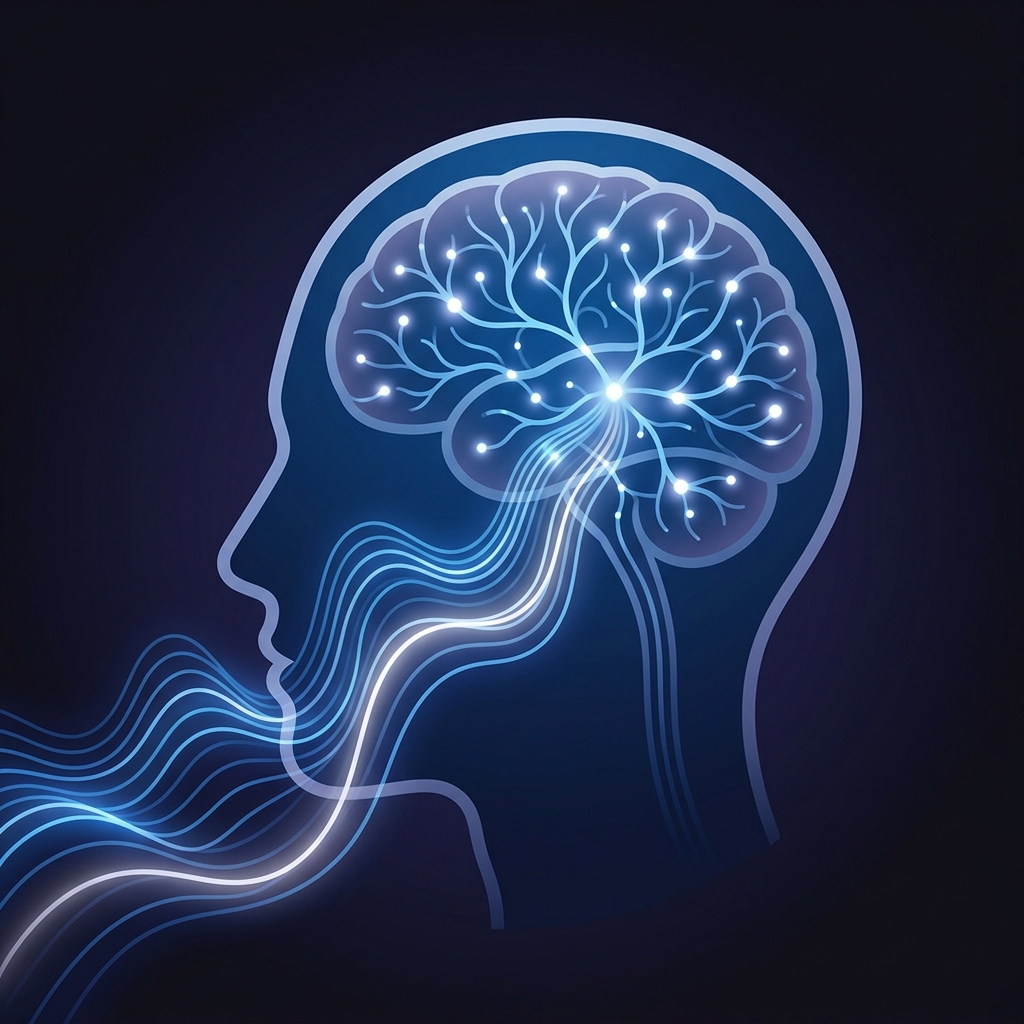
Trance is not a state of sleep, unconsciousness, or mind control. It is a state of focused attention and heightened suggestibility. From a neurological standpoint, three main shifts occur in the brain during hypnotherapy:
Shift A: Brainwave Frequency Deceleration
Under normal waking conditions, your brain operates primarily in Beta waves (12 to 38 Hz)—a state of active alertness, logic, and sometimes stress. As a hypnotherapist guides you into relaxation, your brainwaves slow down:
- Alpha Waves (8 to 12 Hz): A state of relaxed reflection, visualization, and calm awareness.
- Theta Waves (4 to 8 Hz): This is the sweet spot for subconscious reprogramming. Theta is the bridge between waking consciousness and sleep, characterized by deep meditation, vivid imagery, and hyper-learning. In this state, the analytical filter of the mind (the Critical Factor) is temporarily bypassed, allowing direct communication with the subconscious.
Shift B: Down-Regulation of the Default Mode Network (DMN)
The Default Mode Network is associated with the ego, self-reflection, mind-wandering, and your narrative of “self” (the inner critic). Modern functional MRI (fMRI) studies show that during clinical hypnosis, activity in the DMN decreases significantly. By quietening this narrative ego-loop, the brain becomes free to break old neural connections and visualize new ways of being without the interference of self-doubt.
Shift C: Disconnection of Action and Evaluation
During hypnosis, researchers observe a decrease in connectivity between the anterior cingulate cortex (which evaluates context and monitors environment) and the basolateral pathways of the brain. Essentially, the brain remains highly focused on instructions and visualizations without feeling the need to constantly judge, evaluate, or resist them.
3. Neuroplasticity: The Mechanism of Reprogramming
For decades, scientists believed the adult brain was fixed and unchangeable. We now know this is false. Through neuroplasticity, the brain constantly rewires itself based on experience, thought patterns, and repetition.
Hypnotherapy acts as an accelerator for neuroplasticity. During a Theta-dominant trance state, the brain is highly receptive to new inputs. When a clinical hypnotherapist delivers targeted, positive suggestions, your brain experiences them as real. Because the brain struggles to differentiate between a vividly imagined experience and physical reality, the neural networks associated with confidence, calmness, and healthy habits begin to strengthen. Simultaneously, the neural pathways associated with self-sabotage, anxiety, or addiction begin to weaken through disuse (synaptic pruning).
4. What Can Hypnotherapy Treat?
Because the subconscious mind governs emotional processing and automatic habits, hypnotherapy is highly effective for a wide range of issues:
- Anxiety and Stress Management: Down-regulating the sympathetic nervous system (fight-or-flight) and replacing chronic panic loops with patterns of calm control.
- Breaking Deeply Entrenched Habits: Overcoming smoking, nail-biting, insomnia, or emotional eating by altering the subconscious triggers.
- Limiting Belief System Removal: Rewriting childhood conditioning that causes low self-worth, financial anxiety, or relationship self-sabotage.
- Pain Management & Psychosomatic Healing: Modulating the brain’s perception of physical pain signals.
5. Building Authority: Why Choose Breakthrough Coaching and Hypnotherapy?
While hypnotherapy is exceptional for cleaning out the subconscious clutter and healing past emotional wounds, combining it with Breakthrough Coaching creates an unstoppable vehicle for forward progress.
Hypnotherapy heals the foundations, while breakthrough coaching builds the structure of your future. Together, they create a holistic transformation:
- Release: You clear the subconscious limiting beliefs, trauma, or habits holding you back.
- Align: You clarify your vision, set values-based goals, and establish conscious action steps.
- Thrive: You execute your goals with your conscious and subconscious minds working in perfect harmony.
Take Control of Your Narrative
The science of hypnotherapy proves that you are not locked into your current habits, anxiety loops, or identity. Reprogram your subconscious mind to work for you, rather than against you.Book a Free Discovery Call