10 Signs You Struggle With Emotional Regulation (and What's Really Going On)
By Shenode Nair, breakthrough coach · · 9 min read
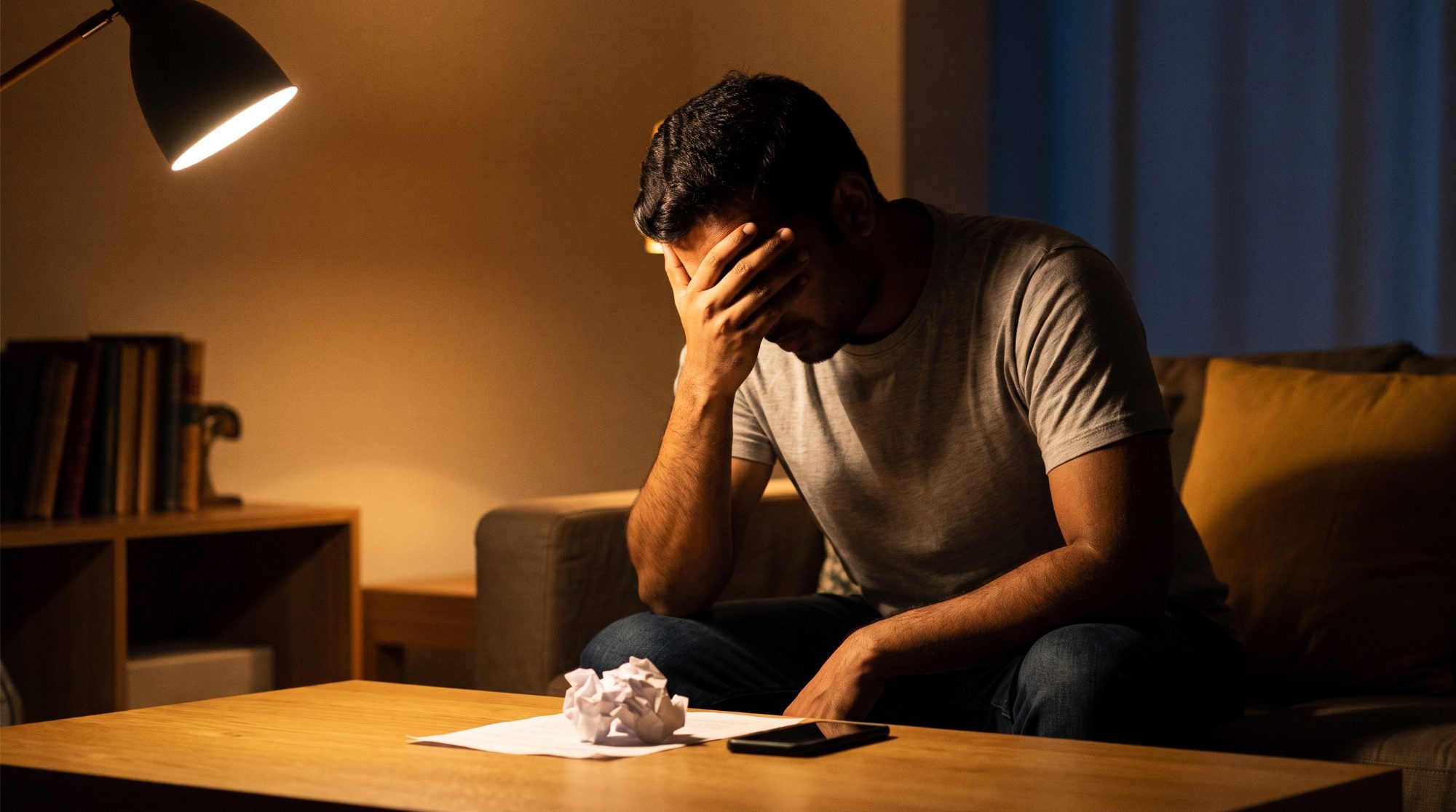
A small remark ruins your whole afternoon. A last-minute change of plan feels like the end of the world. Or someone you love is crying and you feel nothing at all, and then you worry about that too.
And then comes the shame: what is wrong with me?
Nothing is wrong with you. These are patterns, and patterns have causes. Here are ten common signs of struggling with emotional regulation, what's usually underneath them, and what helps.
Being overwhelmed is a signal from the nervous system, not a verdict on who you are.
The short answer
Common signs of poor emotional regulation include intense reactions to small things, slow recovery after being upset, going numb or shutting down, bottling feelings until they burst, people-pleasing to avoid conflict, replaying conversations for hours, physical tension, and escaping through scrolling, food, work or alcohol. They usually point to a nervous system with too little felt safety or too few tools, not a flaw in your character, and they can improve with practice and support.
Too much, too fast: signs 1 to 4
These are the signs people usually notice first, because they are loud. The emotion arrives quickly, at full volume.
Big reactions to small things. A tone of voice, a late reply or a dish left in the sink sets off a response far bigger than the event. Usually the reaction is to the history behind the moment, not the moment itself.
Slow recovery. Other people seem to bounce back in minutes. You carry the upset for hours, or replay it for days.
Flare-ups you regret. Snapping, sarcasm, slammed doors, words you can't take back, followed by a wave of guilt.
Feeling "too much". You've been called too sensitive or too dramatic so often that you've started to believe it. In truth, your system is simply receiving the volume turned up.
Too little, too flat: signs 5 to 7
Not everyone with emotional-regulation difficulty explodes. Some people go quiet, blank or far away. This is the other side of the same coin.
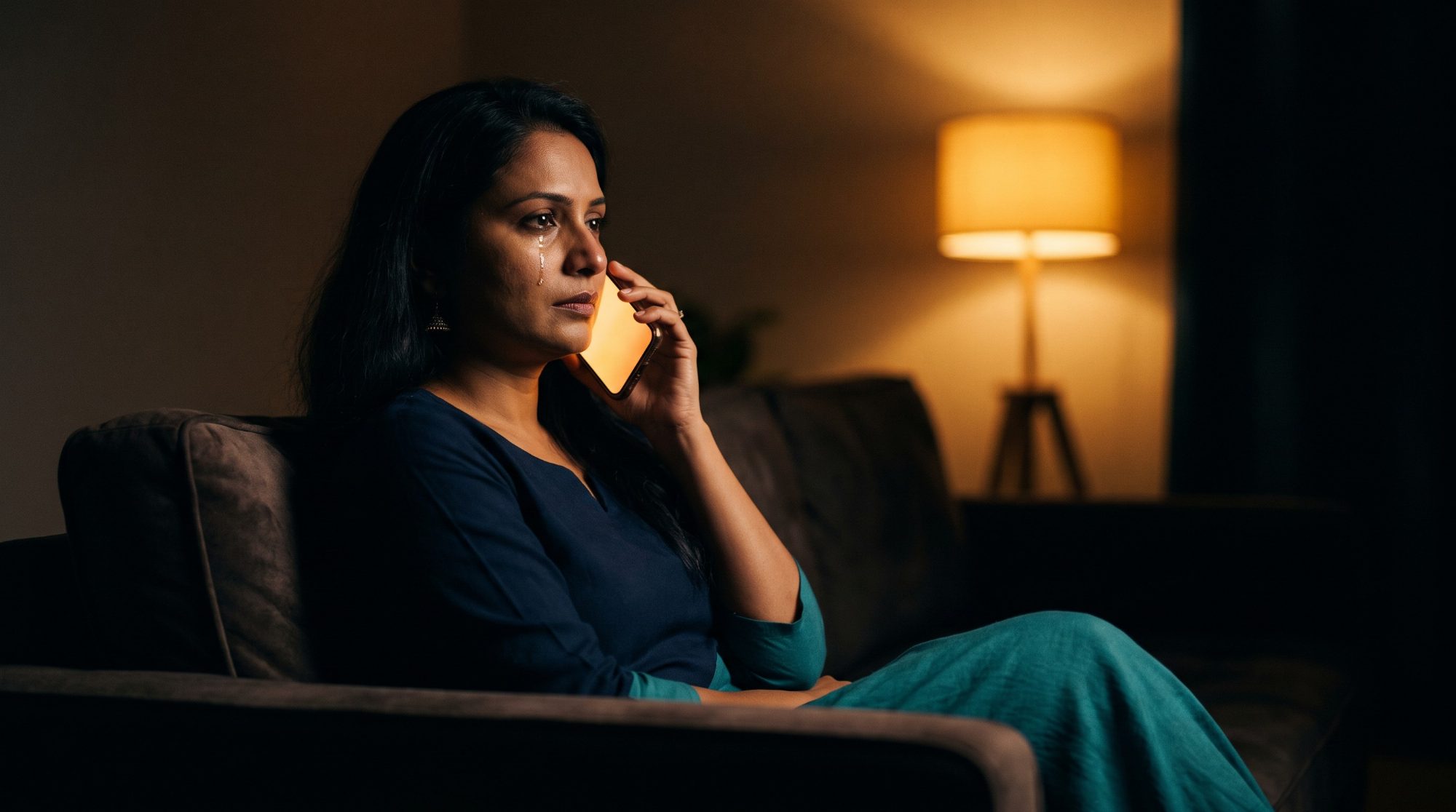
Going numb or blank. Something sad or frightening happens and you feel strangely nothing. It can look like calm, but it often feels like being behind glass.
Shutting down in conflict. When a conversation gets heated, your words disappear and you withdraw. The other person calls it the silent treatment; for you it's closer to a power cut. (If this is you, this article on shutting down in arguments goes deeper.)
Struggling to name what you feel. Every feeling gets filed under "fine", "stressed" or "bad". Without finer words, it's hard to know what you need.
Holding it in: signs 8 to 10
These signs can hide for years because from the outside you look composed.
Bottle and burst. You stay polite and agreeable for weeks, then blow up over something tiny. The tiny thing was only the last drop in a full glass.
People-pleasing and over-explaining. You say yes when you mean no, apologise for things that aren't your fault and read every face for signs of displeasure, because other people's emotions feel unsafe. (More on this in why we people-please.)
Escaping through the body or the screen. A tight jaw, a knotted stomach, headaches and restless sleep, along with a pull towards endless scrolling, snacking, overworking or a drink to take the edge off.
Having one or two of these now and then is simply human. If several feel familiar, and they cost you relationships, sleep or peace of mind, it is worth working on.
Quiet struggles count too. Not every sign of overwhelm is loud.
What's going on underneath: the window of tolerance
In one line
Everyone has a "window" of emotional intensity they can handle while still thinking clearly. Struggling with regulation usually means that window is narrow.
Picture a window. Inside it, you can feel strongly and still think, listen and choose. This is the zone of regulation.
Above the window is fight-or-flight: anger, panic, racing thoughts, snapping. Signs 1 to 4 live here.
Below the window is shutdown: numbness, blankness, heaviness, withdrawal. Signs 5 to 7 live here.
Signs 8 to 10 are what we do to stay inside the window artificially: holding everything in, pleasing, or escaping.
A narrow window is not a character trait. It is shaped by early experiences (a home where feelings weren't welcome or weren't safe), long periods of stress, overwhelming or painful events, exhaustion and a life with no space to recover. The good news is that the window can widen, gradually, with practice.
What helps
Look after the basics. Poor sleep, skipped meals and no movement all narrow the window. They are the cheapest regulation tools you have.
Use the body first. Slow exhales, grounding and cool water settle the system quickly. Our 5-minute nervous-system reset shows how.
Build an emotional vocabulary. Move from "bad" to "ashamed", "lonely", "overlooked", "frightened". Precision calms.
Map your triggers. Notice who, where and when. Patterns turn a mystery into something you can plan for.
Release what's stored. If the same triggers keep hitting hard, the charge often lives in old experiences, and it eases through guided emotional release, EFT or inner-child work rather than through willpower.
Get company. A trusted person, a group or a practitioner lends your system calm until it can find its own.
When to seek professional help
If your emotions feel unmanageable, you have frequent panic, or you ever have thoughts of harming yourself, please speak to a doctor or a qualified mental health professional. Coaching and emotional-release work can sit alongside that care, but they are not a replacement for it.
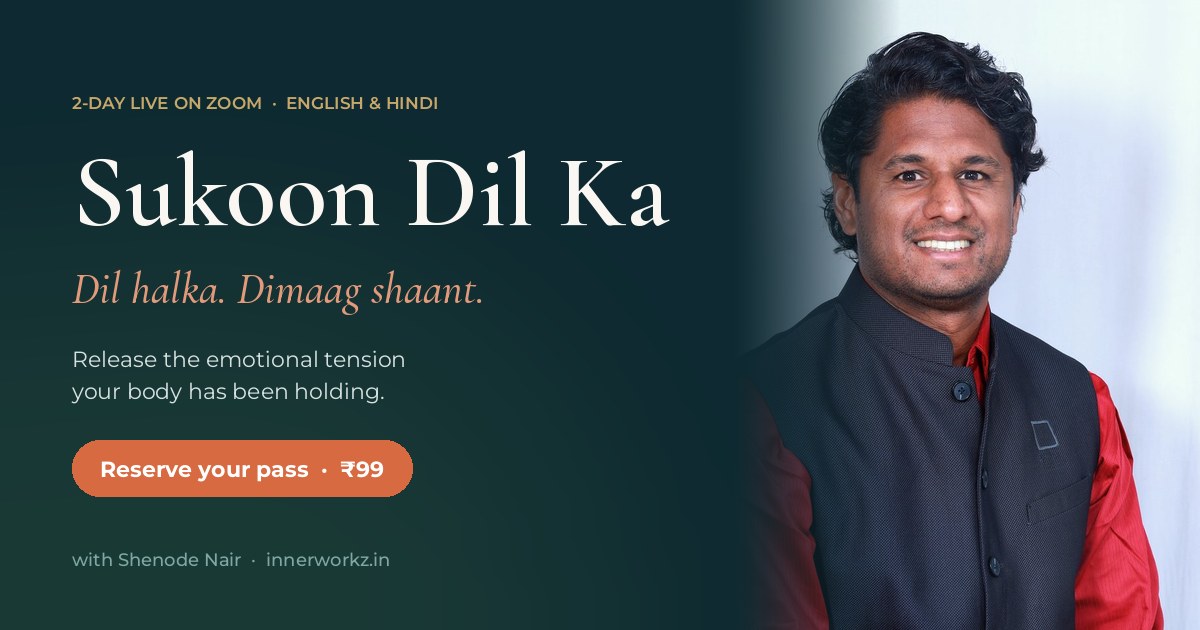
A gentle place to start: Sukoon is two live evenings on Zoom where you are guided to feel and release safely, which is how a narrow window begins to widen.
Reactions become more proportionate, and you spot the wave before it breaks.
You recover in minutes or hours, not days.
You can say no, or say how you feel, without panic or a fight.
You feel your feelings, including the good ones, more fully.
Common questions
Is poor emotional regulation a mental illness?
No. Struggling to regulate emotions is a pattern, not a diagnosis. It can appear on its own, and it can also accompany conditions such as anxiety, depression, ADHD or trauma-related difficulties. If your feelings are persistently unmanageable, a doctor or mental health professional can assess what is going on.
Why do I overreact to small things?
Usually the reaction is about more than the moment. A small trigger can touch an older emotional memory, or land on a nervous system that is already tired and stressed, so the response is bigger than the event. As your window of tolerance widens, reactions become more proportionate.
Why do I feel numb instead of upset?
Numbness is often the body's way of protecting you from feelings that once felt too big to handle. It is a form of shutdown on the low side of the window of tolerance. With safe, gradual practice, feeling usually returns.
Can emotional regulation problems be fixed?
Emotional regulation can be improved at any age. Daily body-based practices, better sleep, naming feelings, understanding triggers and releasing old emotional charge all help, and many people find the process easier with a guide or a safe group.
An invitation
Widen your window of calm, with Sukoon
Sukoon means calm. In two live evenings, you are guided to feel what you usually push down or run from, release what your body has been carrying, and discover what steadiness feels like from the inside.
Two live 90-minute evening sessions on Zoom
Guided release of stored emotional tension, done gently and safely
Practical tools to settle yourself when emotions surge
Runs every month, for ₹99, with a free healing toolkit included
Shenode Nair is a breakthrough coach and hypnotherapist based in Pune. For more than a decade he has helped professionals, founders, parents and homemakers release emotional patterns that logic alone couldn't shift.
Before founding InnerWorkz he spent years in corporate IT, including at Dell, so he knows life in survival mode from the inside. He is a certified NLP Practitioner (ABNLP), EFT Level 3 Practitioner (AAMET) and Matrix Reimprinting practitioner, and works with clients in Pune and online across India.
This article is for general education and isn't a substitute for medical or psychological care. It does not diagnose any condition. If strong emotions feel unmanageable, or you have thoughts of harming yourself, please speak to a doctor or qualified mental health professional. Shenode Nair is a certified coach and practitioner, not a counsellor, psychologist or medical doctor. Read our full disclaimer.